-
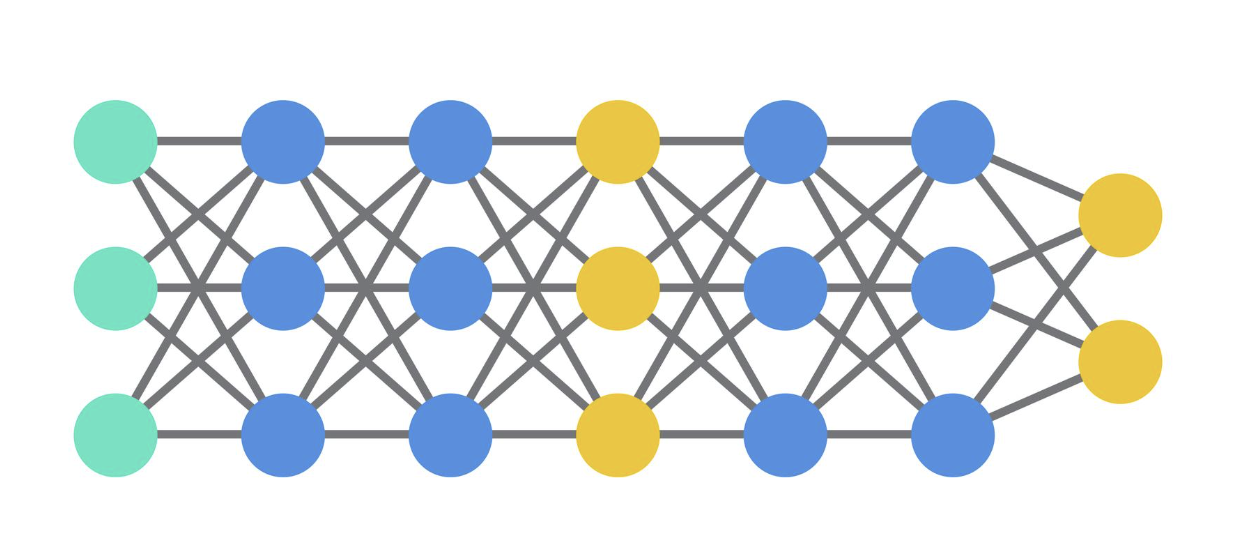 Continue reading →: Convolutional Neural Networks — Architecture, Math & Implementation
In Artificial Intelligence (AI), one of the most powerful models for working with images and videos is the Convolutional Neural Network (CNN). CNNs help computers understand visual data — just like humans use eyes and brain to see and recognize objects. CNNs are used in: What is a Convolutional Neural…
-
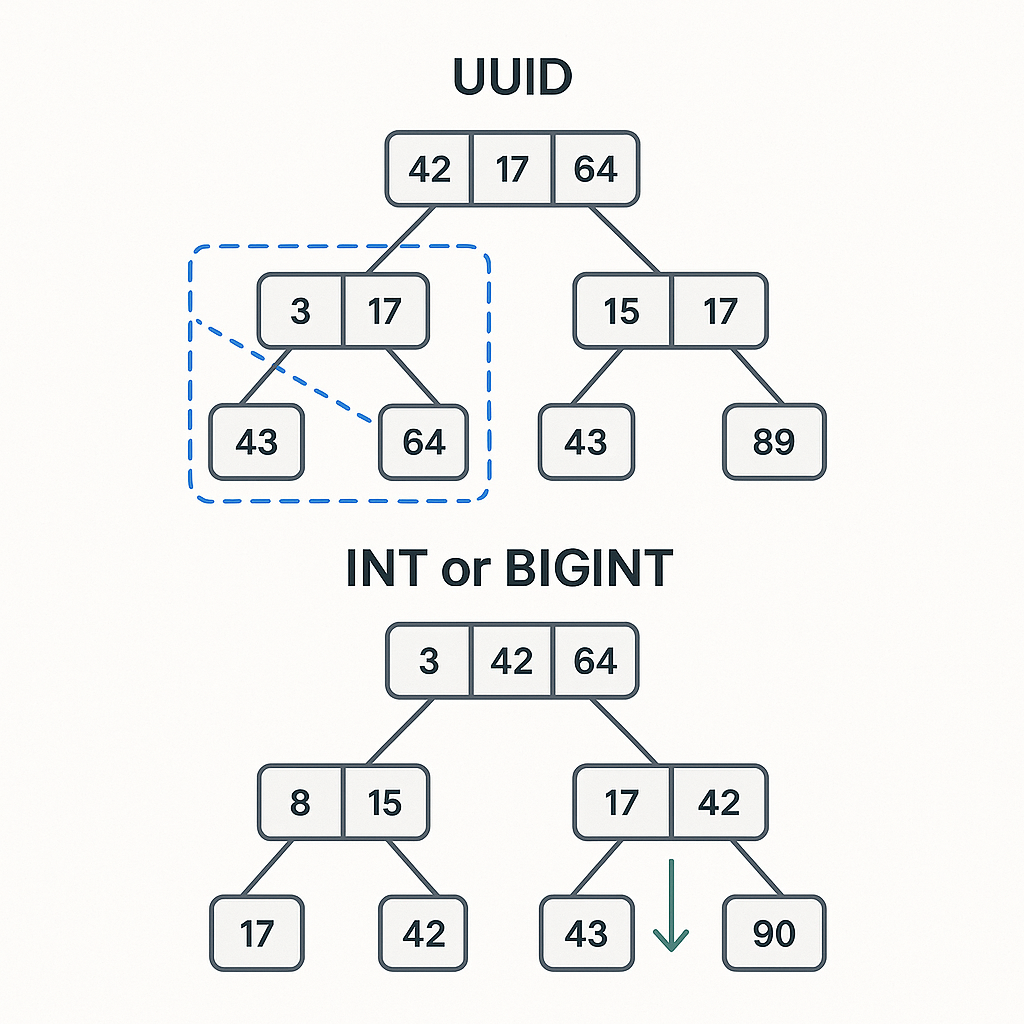 Continue reading →: Why We Prefer Numeric IDs Over UUIDs for Primary Keys
Primary keys shape the foundation of your data model. UUIDs are popular because they’re globally unique and easy to generate — but when used as primary keys in relational databases like PostgreSQL or MySQL, they introduce performance costs that most teams don’t realize until production traffic grows. At scale, these…
-
 Continue reading →: Token-Oriented Object Notation (TOON): A Faster, Smaller, AI-Ready Alternative to JSON
Modern applications run on structured data — from APIs and event streams to AI pipelines and vector databases. JSON has been the default for decades, but today’s AI workloads reveal its limitations: excessive punctuation, inefficient tokenization, and unnecessary payload size. TOON (Token-Oriented Object Notation) introduces a clean, compact, token-driven way…
-
 Continue reading →: 🚀 Boost Performance in Your Nest with TypeORM Caching
Your backend constantly asks the database for the same data, you’re wasting resources and slowing things down. Whether you’re using NestJS, there’s a simple trick to improve performance: enable caching in TypeORM. In this guide. 🧠 What is Caching? Think of caching like short-term memory for your app. 📖 Simple Analogy: You walk into…
-
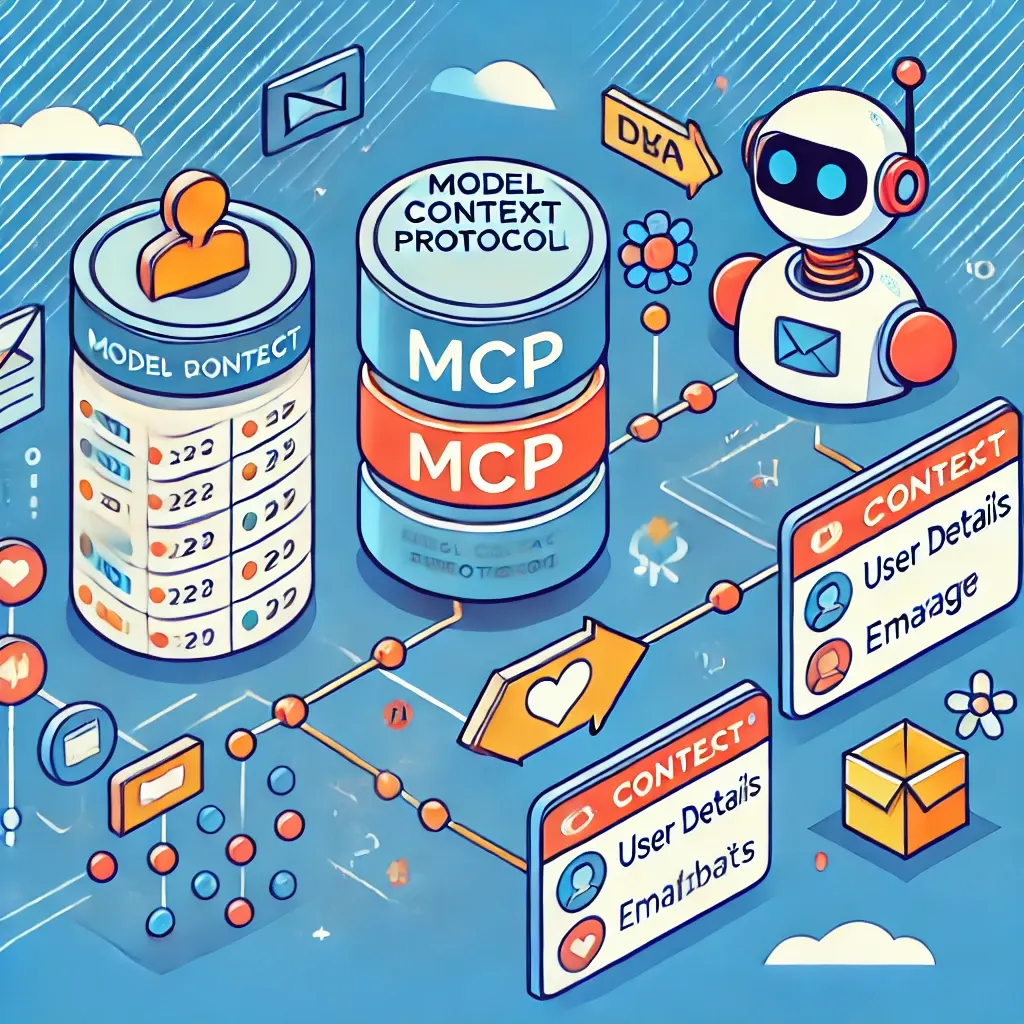 Continue reading →: Understanding Model Context Protocol (MCP)
Introduction In modern AI-driven applications, maintaining context across different services and models is crucial for efficiency and accuracy. Model Context Protocol (MCP) is a structured approach to managing context between different system components. It ensures that models share relevant information effectively, reducing redundant computations and improving user experiences. What is Model Context…
-
Continue reading →: Exponential Backoff and Jitter: Enhancing System Resilience
When systems experience temporary failures — like network delays or overloaded servers — retries are necessary. However, retrying too quickly can make things worse, creating more congestion. Exponential backoff helps by gradually increasing the wait time between retries. But if multiple clients retry at the same intervals, they can cause another traffic surge.…